Aveva smesso di scrivere prima, quella notte. Stava lavorando a una storia – appena terminata nella sua prima stesura, che aveva solo bisogno di essere messa in una forma migliore – che voleva pubblicare presto, forse a febbraio o marzo. Il suo primo lavoro completo. Una cosa importante
Ma lui aveva altri pensieri e sentimenti, quella notte, nessuna mente per scrivere, e non c’era molto da fare sul progetto, per ora. Così aveva lasciato Sandro, per fare una passeggiata vicino al mare. Il mare era sempre di conforto, per lui era la sua compagnia; il mare parlava calorosamente, il mare era suo amico. Anche quando nero come inchiostro; anche in inverno.
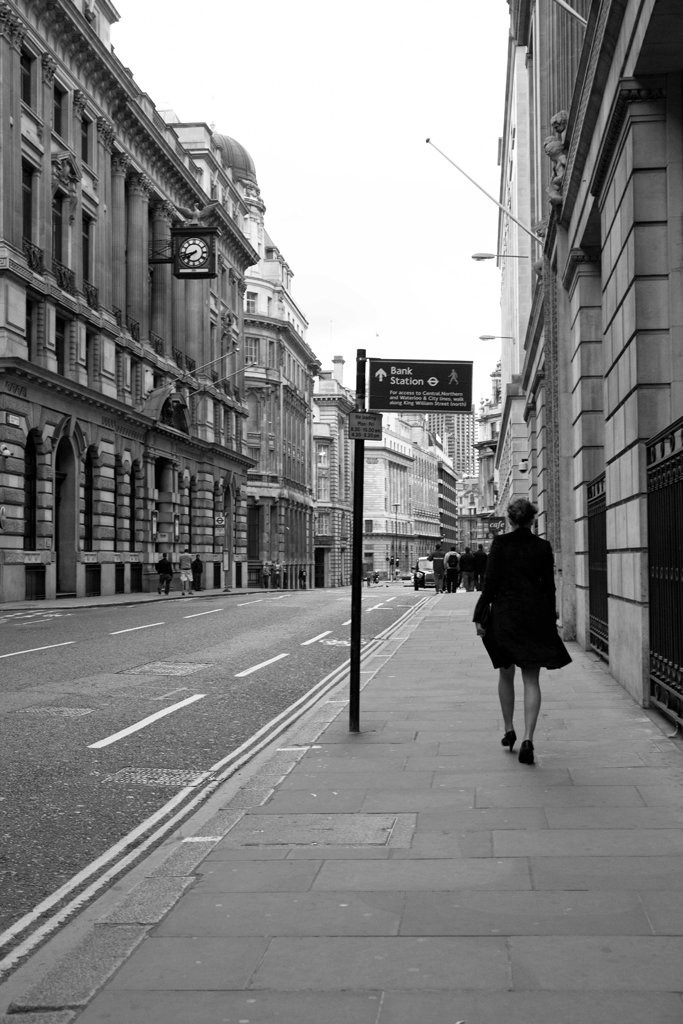
Pioveva leggermente, dopo le forti piogge del pomeriggio. Camminando lungo il canale, dalla chiesa Chatolic al ponte, salutò James Joyce – solo una statua, ma ora fa parte della famiglia della città – e passò dalla luce giallastra proiettata dalle lampade – modellato in ferro scuro nell’Austria modo – al buio, e alla luce di nuovo. Le barche galleggiavano in silenzio, legate ai loro ormeggi; la marea era alta, le piccole e piatte barche da pesca, ognuna coperta da un telo di diversi colori: blu, rosso, verde e marrone. Uno di quelli, quello con l’ormeggio nero e il motore bianco, era anche la sua barca; per lungo tempo non l’ha usato. Molto tempo non è andato al mare. “Forse la prossima estate”, pensò. ‘Se sono ancora qui’. Si voltò a sinistra, lasciando il ponte, dirigendosi verso le strette vie del centro storico. Il vecchio cuore della città. Una volta, quelle strade erano tristi e sporche, circondate da piccoli negozi, fattorie e case quasi abbandonate. Ora era tutto nuovo di zecca, dopo il progetto di ricostruzione, il vecchio centro era diventato la parte più ricca della città, il cuore degli affari. Ma aveva perso il suo vero cuore, nel processo: quello che era lì, non c’era più. Soldi e nuovi loft con finestre lucenti non possono riacquistare sentimenti, non possono contenere ricordi dentro.
Proseguì, passando accanto alla libreria, e poi morse oltre, finché non fu sotto il colonnato del Municipio – un piccolo passaggio silenzioso, che si apriva, come un cancello, sulla piazza, proprio di fronte alla fontana. La città maggiore affittava alti pini a novembre; gli operai adesso stavano piantando quegli alberi in vasi grandi e rotondi, pensati per essere una fila di alberi di Natale su entrambi i lati della piazza, con luci e decorazioni. Li accendevano di notte, dal sesto giorno di dicembre al sesto gennaio; metteranno la musica sugli altoparlanti. La piazza era grande, guardava il mare, e così quelle due file di alberi sarebbero sembrate la cornice di un quadro, con il mare al centro, e l’alto marmo bianco del Municipio coronato dalle luci bianche brillanti nella parte posteriore .
Continuò a camminare, lentamente, poi si sedette accanto alla fontana, lasciando passare il tempo. Non c’era acqua dentro; un solo pensiero gli attraversò la mente – il pensiero che non stesse pensando in realtà a nulla se non il contrasto tra il marmo bianco e l’ombra nera, e che la sua mente era, in quel momento, in grado di vedere tutti i dettagli che non aveva mai guardato.
Un movimento attirò i suoi occhi. Tra gli alberi di Natale, ora circondati da una luce blu, sedevano un ragazzo e una ragazza. Aveva un cappello di lana e una sciarpa; aveva un portachiavi in mano e stava giocando con quello. Guardarono una gelateria vicino all’angolo, gesticolando, ridendo; poi si alzarono e, baciandosi leggermente, andarono a piedi al negozio, mano nella mano. Li guardò per un lungo momento. Adesso era completamente buio e freddo; una fredda sera di novembre. Subito dopo la pioggia. Ma sentì qualcosa di caldo, dentro di lui.
La sua mente si allontanò, andò da lei. La musica continuò a suonare. La distanza era nel corpo, non nell’anima. C’era anche una vera distanza nella vita, naturalmente, ma qualcosa gli diceva che non era completamente vero. Poteva sentirla con lui, ed era da lì, che stava arrivando il caldo – il freddo era solo all’esterno, l’amarezza era sparita per sempre. Non è stato facile, no; niente era facile, ma era vero. Non voleva pianificare, non voleva pensare; solo per sentire.
Il ragazzo e la ragazza si baciarono ancora una volta con il gelato in mano, sorridendo.
Anche lui ha sorriso.
[…]
He had stopped his writing earlier, that night. He had been working on a story – just finished in its first draft, just needing to be put in a better form – that he wanted to publish soon, maybe in February or March. His first complete work. An important thing.
But he had other thoughts and feelings, that night, no mind for writing, and there wasn’t much to be done on the draft any further for now. So he had left Sandro, to go for a walk near the sea. The sea was always of comfort, to him, was his company; sea used to speak warmly, sea was his friend. Even when black as ink; even in winter.
It was raining lightly, after the heavy showers of the afternoon. Walking down the channel, from the Chatolic church to the bridge, he waved at James Joyce – just a statue, but part of the city family now – and he passed from the yellowish light casted by the lamps – fashioned in dark iron in the Austrian way – to the dark, and to the light again. Boats were quietly floating, tied to their moorings; the tide was high, the small and flat fishing boats, every one covered by a tarp in different colors – blue, red, green and brown. One of those, the one with the black mooring and the white engine, was his boat too; long time he didn’t use it. Long time he didn’t go out to the sea. ‘Maybe next Summer’, he tought. ‘If I am still here’.He turned left, leaving the bridge, going towards the narrow streets of the old center. The old heart of the town. Once, those streets used to be grim and dirty, surrounded by small shops and worshops and almost abandoned houses. Now it was all brand new, after the reconstruction project, the old center had become the richest part of the city, the business heart. But it had lost its true heart, in the process: what used to be there, was not there anymore. Money and new lofts with shiny windows can’t buy back feelings, can’t hold memories inside.
He went on, passing by the bookshop, and then bit further, until he was under the columnate of the City Hall – a small, silent passage, opening, as a gate, on the square, right in front of the fountain. The city major used to rent tall pine trees, in November; workers were now planting those trees in big, round vases, meant to be a line of Christmas trees on both sides of the square, with lights and decorations. They would lit those at night, from the sixth day of December to the sixth of January; they will put music on the speakers. The square was big, looking the sea, and so those two lines of trees would seem the frame of a picture, with the sea at the center, and the high, white marble of the City Hall crowned with the bright white lights in the back.
He continued to walk, slowly, then he sat down by the fountain, letting time pass by. There was no water inside; a single thought crossed his mind – the thought that he wasn’t really thinking at anything but the contrast between the white marble and the black shadow, and that his mind was, in that moment, able to see all the details that he had never looked upon.
A movement caught his eyes. Between the Christmas trees, now surrounded by a blue light, a boy and a girl were sitting. She had a woolen hat, and a scarf; he had a keyring in his hand, and was playing with that. They looked at an ice cream shop near the corner, gesturing, laughing; then they stood up and, kissing each other lightly, went walking to the shop, hand in hand.He looked at them for a long moment. It was completely dark now, and cold; a cold evening in November. Just after the rain. But he felt something warm, inside him.
His mind went distant, went to her. The music continued to play. The distance was in the body, not in the soul. There was a real distance in life too of course, however something was telling him that it was not fully true. He could feel her with him, and it was from there, that the warm was coming – the cold was only on the outside, bitterness was gone forever. It was not easy, no; nothing was easy, but it was true. He didn’t want to plan, he didn’t want to think; only to feel.
The boy and the girl kissed once more with the ice cream in hand, smiling.
He smiled too.