Categoria: arte

  • epoque

    epoque

    “Faccio sempre ciò che non so fare, per imparare come va fatto.
    Ciò che desidero, è che tutto sia circolare e che non ci sia, per così dire, né inizio né fine nella forma, ma che essa dia, invece, l’idea di un insieme armonioso, quello della vita.
    Se qualcosa parla in te per dirti non sei pittore, ebbene in questo caso vecchio mio: dipingi! E questa voce tacerà. Ma tacerà solo se tu dipingi. Ti possono essere amici solo coloro che lottano contro queste stesse preoccupazioni, coloro che con l’esempio della loro attività, esaltano l’attività che c’è dentro di te.”

    [Vincent Van Gogh]

    “I always do what I can not do to learn how to do it. What I want is everything to be circular and that there is, so to speak, neither beginning nor ending in form, but that it gives the idea of ​​a harmonious set, that of life. If something speaks to you to say you are not a painter, then in this case, old man: paint it! And this voice will be silent. But it will only silence if you are painting. You can only be friends with those who are struggling with these same worries, those who, with the example of their activity, exalt the activity that is within you.”
     

  • gets further by the day

    gets further by the day

    Perché dovremmo scrivere? Per divertirci. Per imparare l’espressione artistica. Per esplorare la funzione e il valore del comunicare scrivendo. Per stimolare l’immaginazione. Per pensare più chiaramente. Per cercare un’identità. Per imparare a leggere e scrivere. Sette ragioni.

    Di fronte a esse, se si ama l’arte, è difficile giustificare una mancanza d’interesse. Chi l’insegna deve certamente fare in modo che sia piacevole, appassionante, con libertà di scegliere soggetto e metodo per trasmettere idee e sensazioni.

    Interrogarsi attivamente su come comunichiamo fa capire meglio noi, il mondo. Più semplicemente: possiamo capire meglio le cose cercando di metterle noi stessi assieme e descrivendole.

    ~

    Why should we write? To have fun. To learn the artistic expression. To explore the function and value of communicating by writing. To stimulate imagination. To think more clearly. To look for an identity. To learn how to read and write. Seven reasons.

    Faced with them, if you love art, it is difficult to justify a lack of interest. Those who teach must certainly make it enjoyable, passionate, with the freedom to choose a subject and a method for transmitting ideas and feelings.

    Actively questioning how we communicate makes us understand the world better. More simply, we can better understand things by trying to put them together and describing them.

  • con quello che hai

    con quello che hai

    “Platone afferma, caro Antioco Filopappo, che tutti mostrano comprensione per chi ammette di volersi bene, ma poi aggiunge che il difetto più grave è quello che ci impedisce di giudicare noi stessi in modo limpido e imparziale: ‘L’amore è cieco nei confronti dell’oggetto amato’, se attraverso lo studio non ci siamo abituati a rispettare e a cercare l’onestà, e non il nostro interesse personale.”

    Plutarco

    “Plato asserts, dear Antioco Filopappo, who all show understanding for those who admit to want to, but then adds that the most serious defect is what prevents us from judging ourselves in a clear and impartial way: ‘Love is blind to of the beloved object, if through the study we have not used to respect and seek honesty, and not our personal interest. “

  • bottega d’artista

    bottega d’artista

    Molti, quindi, pensano che l’arte non sia più ciò che un tempo aspirava a essere, che non sia più rivolta al meraviglioso, al sublime e al trascendente, ma che non sia altro che un’abilità qualsiasi, e che la parte più importante e preziosa sia la capacità di autopromuoversi. Trova un modo per attirare l’attenzione, con parole o con immagini o con rumori; crea le giuste connessioni, trova il tipo giusto di promotore d’immagine, e anche tu potrai essere artista. Certo il talento è importante. Ma è talento d’attrarre attenzione, piuttosto che capacità di cercare e trovare l’occhio di un dio.

    Roger Scruton

    Many therefore think that art is no longer what it once aspired to be, which is no longer addressed to the wonderful, sublime, and transcendent, but is nothing but an ability, and that the more part It is important and precious that the ability to self-change. Find a way to attract attention, with words or with images or with noises; creates the right connections, finds the right kind of image promoter, and you too can be an artist. Of course talent is important. But he is a talent to attract attention rather than ability to seek and find the eye of a god.

  • mondo in due metri quadrati

    mondo in due metri quadrati

    Dove lei non è
    ‘Che cosa ho da perdere, ora che ho perso la Ragione della mia vita – la Ragione d’avere paura per qualcuno.’

    ‘Amore e dolore quando sono presenti sono uno stato eterno. Semplicemente sono. Si possono abitare. E possono accompagnarsi alla presenza dell’assenza. All’indomani della morte della madre, Roland Barthes inizia un diario. Racconta, vuole raccontare, prova a dire il suo dolore. Gli psicoanalisti dicono che per elaborare la perdita occorrono all’incirca diciotto mesi; Barthes tiene il suo diario per quasi due anni. 1977.’

  • manipolando

    manipolando

    Molti, quindi, pensano che l’arte non sia più ciò che un tempo aspirava a essere, che non sia più rivolta al meraviglioso, al sublime e al trascendente, ma che non sia altro che un’abilità qualsiasi, e che la parte più importante e preziosa sia la capacità di autopromuoversi. Trova un modo per attirare l’attenzione, con parole o con immagini o con rumori; crea le giuste connessioni, trova il tipo giusto di promotore d’immagine, e anche tu potrai essere artista. Certo il talento è importante. Ma è talento d’attrarre attenzione, piuttosto che capacità di cercare e trovare l’occhio di un dio.

    [Roger Scruton]

    Many, therefore, think that art is no longer what it once aspired to be, that it is no longer directed to the marvelous, the sublime and the transcendent, but that it is nothing but any skill, and that the most the ability to self-promote is important and precious. Find a way to get attention, in words or with images or with noises; create the right connections, find the right kind of image promoter, and you too can be an artist. Of course talent is important. But it is a talent to attract attention, rather than the ability to seek and find the eye of a god.

  • la funzione del tempo

    la funzione del tempo

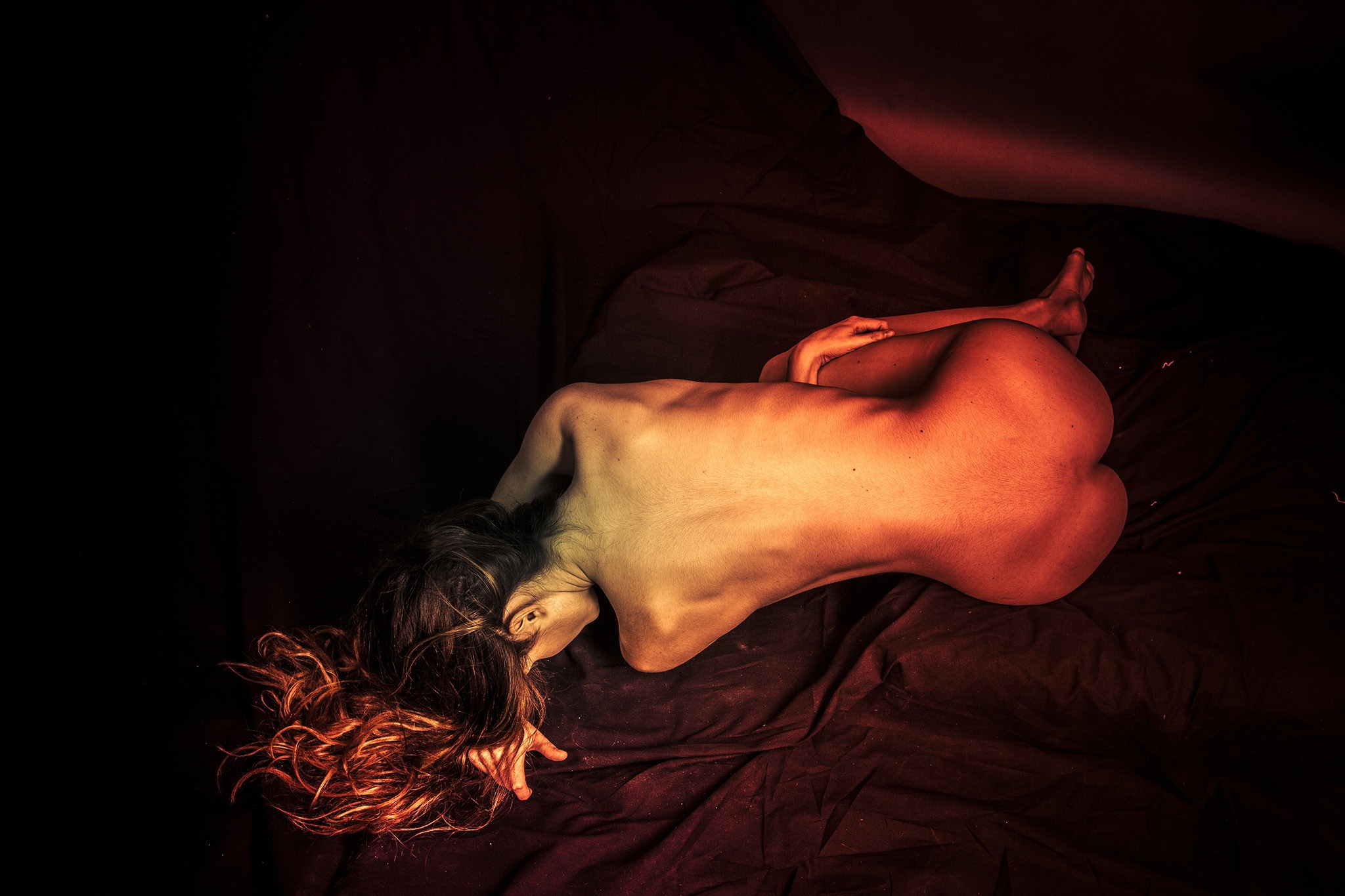
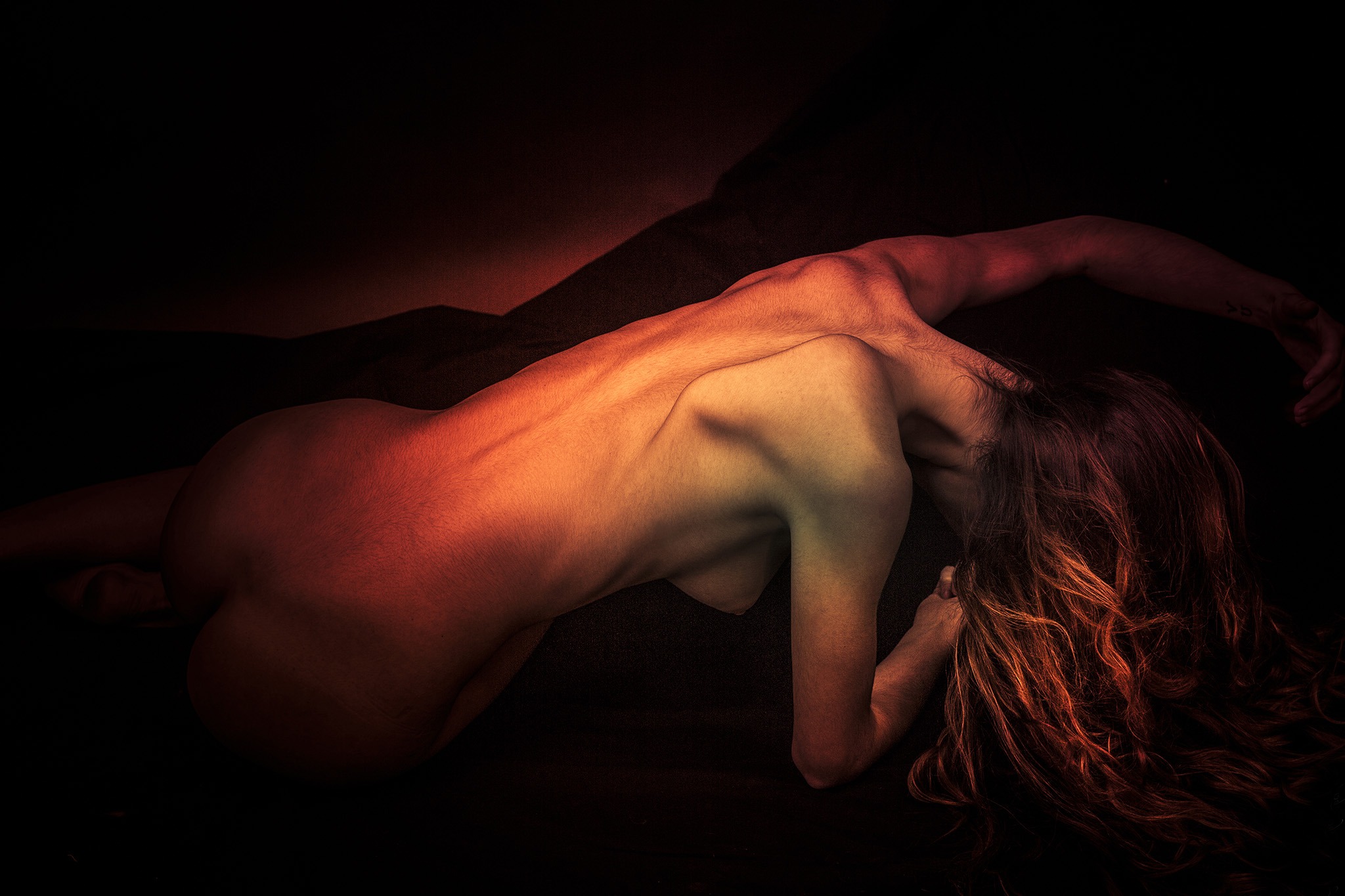
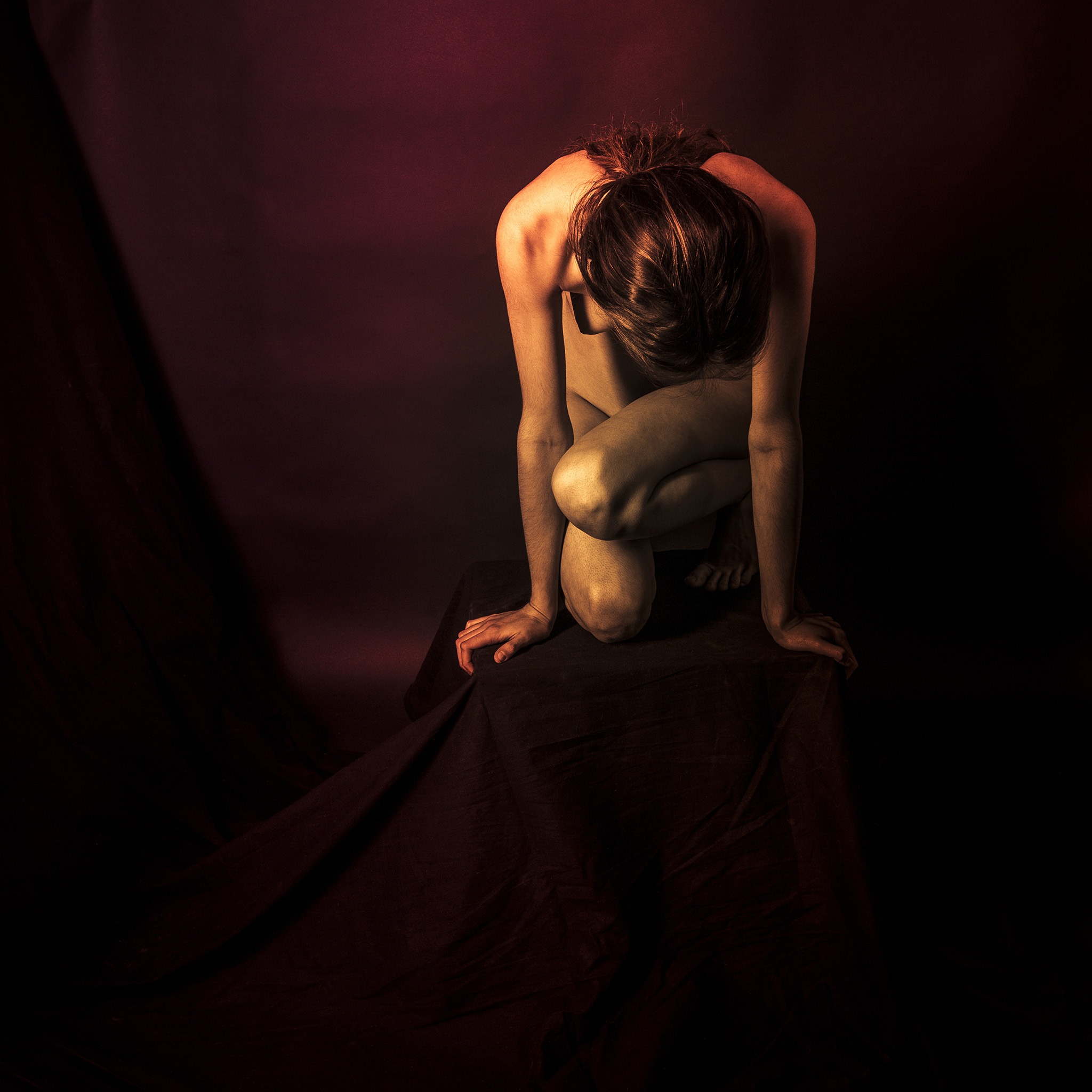
    Per scolpire il Pensatore, devi avere l’età di Rodin quando l’ha fatto. Non avendo nessuna capacità di scolpire o dipingere, sono rimasto affascinato dall’arte di Auguste Rodin lo stesso giorno in cui sono stato introdotto alla sua opera dalla mia compagna di fotografia e di vita d’allora. Ho deciso di provare a esprimere ciò che provavo attraverso il nudo fotografico, il mio primo progetto di questo tipo.

    Si è trattato di un’esperienza divisa in tre parti, lo studio delle pose e delle luci attraverso le foto delle opere dell’artista e la ricerca di una modella che avesse la dedizione, la presenza e la professionalità necessaria, poi la preparazione e infine la realizzazione. Queste su questa pagina sono le foto scattate durante la preparazione, ho deciso di conservare anch’esse in un portfolio che ho chiamato “fuoco”. Le pose finali, stampate poi su alluminio spazzolato in bianco e nero, sono state raccolte in un secondo portfolio, “pietra”. Per ciascuna foto finale, in tempo lungo d’esposizione, è stato necessario circa un minuto di posa; quelle preparatorie sono state scattate con il flash. Le foto sono state poi virate nel colore ma senza nessun ritocco, in modo da non alterare in alcun modo la fisicità del corpo. È il progetto fotografico a cui sono più affezionato.

  • spettacolo d’arte varia

    spettacolo d’arte varia

    Si può odiare l’arte? Che cosa odio, io, dell’arte contemporanea? Odio il termine in sé;‘contemporaneo’ significa ‘del presente’, ma l’arte etichettata come ‘contemporanea’ trent’anni fa è molto diversa da quella di oggi. Odio la mancanza di qualcosa che permetta di distinguere chiaramente l’arte che richiede abilità per essere creata e l’arte che chiunque può creare prendendo spunto dalle idee dell’artista: posso apprezzare entrambe le cose, credo solo che esse siano così distinte da meritare due diverse definizioni.
    Odio le dichiarazioni pubbliche degli artisti, che spesso riducono o mettono in ombra il loro lavoro anziché evidenziarlo, e il loro mostrarsi eccessivamente.

    […]

    Can we hate art? What do I hate, contemporary art? I hate the term in itself, ‘contemporary’ means ‘of the present’, but art labeled as ‘contemporary’ thirty years ago is very different from that of today. I hate the lack of something that allows you to clearly distinguish the art that requires skill to be created and the art that anyone can create inspired by the ideas of the artist: I can appreciate both, I just think that they are so distinct as to deserve two different definitions.
    I hate the public statements of the artists, who often reduce or overshadow their work rather than highlight it, and show them excessively.